Blocked stairwells on move day in Holloway? Solutions
Posted on 18/06/2026
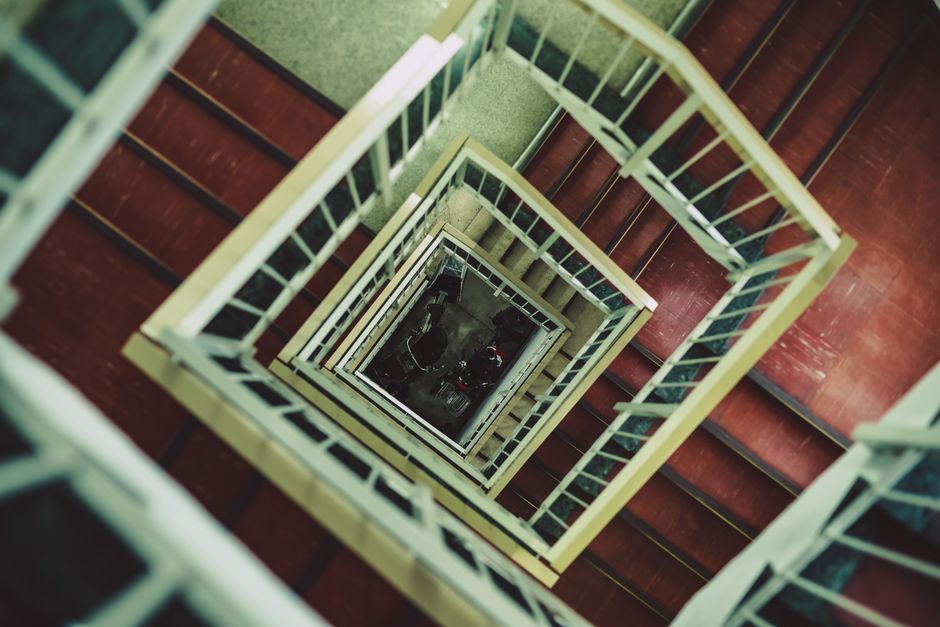
Move day rarely goes exactly to plan. And when the stairwell is blocked by bins, bicycles, furniture, builders' materials, or a neighbour's delivery that arrived at the worst possible time, the whole move can grind to a halt. If you are dealing with blocked stairwells on move day in Holloway, the right solution is usually a mix of quick assessment, calm communication, and sensible loading tactics rather than brute force.
That sounds simple enough, but in practice it can be messy. Holloway flats, converted terraces, and older buildings often come with tight landings, narrow turns, and shared access that everyone relies on at the same time. This guide walks through the practical fixes, what to avoid, and how to keep your move safe, legal, and as stress-free as possible. A little planning goes a long way. Really, it does.
Why Blocked stairwells on move day in Holloway? Solutions Matters
A blocked stairwell is more than an inconvenience. It can slow the move, increase the risk of damage, and create friction with neighbours or building managers. In Holloway, where many properties share common entrances and staircases, one obstruction can affect everyone using the route. That matters especially if you have a time slot for a lift-free flat move, a parking window, or a same-day handover.
There is also the safety side. Heavy items carried through a restricted stairwell are awkward, and awkward is where accidents happen. You do not need a dramatic fall for the day to go wrong; a scraped wall, a trapped hand, or a back strain can be enough. For that reason, the best response is never just "push through it". It is to slow the process, reset, and use the safest route available.
If your move includes large pieces, it can help to review bulky wardrobe lifting tips and our practical advice on heavy lifting techniques before the day arrives. Those articles are useful because stairwell problems are often really lifting-and-turning problems in disguise.
Key point: when a stairwell is blocked, the fastest solution is not always the best one. A safer detour, a short pause, or a smarter loading order can save far more time than forcing the issue.
How Blocked stairwells on move day in Holloway? Solutions Works
The phrase sounds dramatic, but the process is actually quite practical. First, identify what is blocking the stairwell. That may be a temporary item, such as shopping trolleys, a pram, or a neighbour's parcel stack. Or it may be a standing issue, like an unlocked bike, a cleaning cart, or a corridor already narrowed by renovation materials. Once you know what is there, you can decide whether it can be moved, worked around, or delayed.
Next comes the access check. Look at the width of the landing, the angle of the turn, the ceiling height on the stairs, and whether the obstruction leaves enough space for two people to carry safely. Sometimes the problem is not the stairwell itself but the way the item has to be rotated at the corner. That is where experience matters. One awkward turn can be the difference between a smooth carry and an "oh no, not this sofa" moment.
Good solutions usually combine a few simple moves:
- clear the obstruction temporarily if it belongs to you or can be moved with permission
- change the lifting order so smaller items go first
- protect walls, bannisters, and doorframes before moving anything bulky
- split dismantled furniture into manageable sections
- use the ground-floor route, rear entrance, or alternative stairwell if available
- pause the move briefly and reset if the staircase becomes unsafe or congested
For awkward access in local flats, it is worth reading about manoeuvring narrow access in N7 flats. The same planning mindset applies to blocked stairwells: measure first, then move.
Key Benefits and Practical Advantages
Solving stairwell blockage properly does more than unblock the route. It improves the entire moving day. You waste less time, reduce the chance of costly damage, and keep communication with neighbours far calmer. That last bit is often underrated. Nobody enjoys bumping into an unhappy resident at the top of the stairs while carrying a mattress.
Here are the biggest advantages:
- Less physical strain: safer routes and better sequencing mean fewer risky lifts.
- Lower damage risk: less scraping on paintwork, plaster, bannisters, and furniture.
- Better time control: fewer delays if the stairwell needs to be shared or cleared.
- Cleaner handover: particularly useful if you are leaving a flat in good condition.
- Less neighbour tension: a polite, measured approach usually lands much better than a rushed one.
It also supports packing discipline. If your staircase access is limited, a well-packed move is easier to stage in the correct order. Our guide on packing your entire home like a moving expert can help you organise items so the first boxes off the floor are the easiest to carry.
Truth be told, good move-day access planning often makes the whole thing feel less chaotic. You still have boxes everywhere, yes, but at least they are the right boxes in the right place.
Who This Is For and When It Makes Sense
This is for anyone moving from or into a property with shared stairs, narrow landings, or unpredictable communal access. In Holloway, that often includes flat movers, students, first-time renters, families in terraced conversions, and office teams shifting into older buildings with awkward stairwells.
It makes sense to plan around a blocked stairwell if:
- you live in a top-floor flat with one main staircase
- your furniture includes wardrobes, sofas, beds, or a piano
- the building has shared access with other residents or businesses
- builders, cleaners, or deliveries may be present on the same day
- you have a strict moving window and no room for long delays
It is also relevant if you are moving at short notice. A same-day move can leave less room to negotiate access or reschedule around building activity. If that is your situation, what to expect from urgent same-day moves in Holloway is worth a look.
And if the problem is linked to a large specialist item, do not improvise. For delicate or heavy equipment, our article on safe and professional piano moving shows why certain items need a more cautious approach.
Step-by-Step Guidance
If the stairwell is blocked on move day, this is the order that usually works best.
- Stop and assess the blockage. Is it temporary, moveable, or a hard obstruction? Do not carry anything else through until you know.
- Check the safest alternative route. Look for a second staircase, lift, rear access, or side entrance. If there is none, you will need to clear the main route.
- Speak to the right person. That may be a neighbour, concierge, landlord, or building manager. Keep it calm and specific.
- Protect the route before lifting. Lay down covers or padding where appropriate. It is easier to prevent a scratch than to explain one later.
- Break the move into stages. Take boxes and lighter pieces first. Leave the awkward furniture until the route is clear.
- Dismantle where sensible. Beds, wardrobes, and some sofas are much easier in parts. If you need guidance on beds, see trouble-free bed and mattress moving tips.
- Re-route bulky items only when the staircase is fully usable. Rushing a sofa around a blocked turn is how minor damage becomes a full-blown annoyance.
- Do a final sweep. Check for forgotten items, loose screws, packaging tape, and anything left in the stairwell.
If you are moving furniture rather than a full household, it can help to organise the day around the pieces themselves. Our furniture removals in Holloway page is a useful reference point if you are planning a partial move or a targeted clearance.
Expert Tips for Better Results
A few small habits make a big difference. First, measure the item and the staircase before move day. Not just the width of the item. Measure the awkward bits too: handles, feet, mattress depth, light fittings, and the tightest turn on the stairwell. People forget this all the time, and then wonder why the wardrobe seems to have grown overnight.
Second, stage the move so the stairwell is used in short bursts, not long traffic jams. A corridor or landing can become unsafe very quickly if people start stacking boxes there. Keep clear space around the route. Even if it looks tidy, a half-open box in a narrow stairwell is just asking for trouble.
Third, use the right team size. One person carrying a heavy item while the other "sort of helps" is not really enough. For weighty or awkward goods, get proper support and coordinate the lift before you start. If you want a refresher on body positioning and shared lifts, kinetic lifting practices explains the logic in plain English.
Fourth, keep a modest contingency plan. Maybe a storage stop, maybe a second loading point, maybe a slightly later handover. Nothing fancy. Just enough flexibility that a blocked stairwell does not throw the whole day off balance.
Small note from experience: when people pause for two minutes and re-think the route, they often save twenty minutes of effort. Funny how that works.
Common Mistakes to Avoid
Most move-day stairwell problems become worse because of one of these common mistakes:
- Forcing the obstruction out of the way without checking ownership or safety.
- Carrying too much at once and blocking the stairs for longer than necessary.
- Skipping route checks because the staircase "looks fine from the bottom".
- Ignoring neighbour access and assuming everyone will simply wait.
- Not padding the route before moving large furniture.
- Leaving boxes on landings where someone can trip over them.
- Trying to pivot large items alone at the top of a narrow turn.
The biggest one? Treating access as an afterthought. It really should be part of the packing plan. If you are sorting the move in stages, our declutter-before-you-move guide can help you reduce the number of items competing for stairwell space in the first place.
Tools, Resources and Recommendations
You do not need a warehouse full of kit, but a few practical tools help a lot when stairwells are blocked or tight:
- Furniture blankets or protective covers to reduce scuffs
- Corner protectors and floor runners where permitted
- Strong tape and labels to keep dismantled parts together
- Gloves with good grip
- A trolley or sack barrow for routes that allow it
- Simple measuring tape for quick checks on width and height
- Zip bags and screw packets for furniture fixings
For packing support, packing and boxes in Holloway is a sensible place to start if you need materials and guidance together. And if you are storing items temporarily because the stairwell is unusable or the move has to be split, storage in Holloway can be a practical pressure valve.
There are also broader move-planning resources worth using. A useful overview of timing, preparation, and calmer move-day organisation is in this stress-free moving guide. It is the kind of checklist-minded reading that pays off when the stairwell gets crowded at 8:15 in the morning.
Law, Compliance, Standards, or Best Practice
For blocked stairwells, the practical rule is simple: do not create a hazard while trying to solve a hazard. In the UK, building users generally need to keep communal escape routes, access routes, and shared areas clear. The exact duties can vary depending on the building, lease terms, and who controls the property, so it is wise to treat shared stairwells with care and common sense.
From a best-practice perspective, that means:
- keeping communal spaces free from unnecessary obstructions
- avoiding heavy items being left on landings
- not damaging walls, doors, or handrails during movement
- using suitable manual handling techniques
- communicating with building contacts before and during the move
If someone else's belongings are blocking the stairwell, do not move them without permission unless there is an immediate safety issue and you are authorised to act. In most cases, the right step is to ask politely, explain the time pressure, and find a mutually workable solution. Calm is underrated in building management. So is a decent note under the door, to be fair.
It is also sensible to check the moving company's safety approach before the day. You can review the company's policies on health and safety and insurance and safety so you know what support is provided if access becomes difficult.
Options, Methods, or Comparison Table
There is no single answer for every blocked stairwell. The best fix depends on how bad the blockage is, what you are moving, and how much time you have. This comparison should help.
| Method | Best for | Pros | Limits |
|---|---|---|---|
| Clear the stairwell immediately | Temporary obstruction, cooperative building access | Fast, direct, usually cheapest | May not be possible if the item belongs to someone else or is fixed in place |
| Use an alternative route | Buildings with rear access, second stairs, or lifts | Reduces congestion, lowers pressure on the main staircase | Not always available; may take time to set up |
| Split the move into smaller loads | Flat moves, student moves, mixed boxes and furniture | Safer, more manageable, less chance of damage | Can take longer overall |
| Dismantle bulky items | Wardrobes, beds, large tables, some sofas | Easier on narrow turns and awkward landings | Needs tools and careful reassembly |
| Use short-term storage | Delayed access, staged move-outs, urgent move changes | Flexible and practical when timing goes sideways | Extra handling, extra organisation |
For awkward furniture specifically, the best guide is often item-based rather than route-based. If your issue is a large cupboard, this wardrobe size and lift guide is especially relevant. If the item is a sofa that needs careful handling, sofa care and storage techniques can help you avoid avoidable wear.
Case Study or Real-World Example
Picture a top-floor Holloway flat on a damp Wednesday morning. The removal team arrives, boxes are ready, but the stairwell has a stack of recycling bags, a folded buggy, and two crates left by another resident. Nothing dramatic. Just enough to make the route awkward. The first reaction is frustration, naturally. Everyone is looking at the same narrow space thinking, "Well, this is not ideal."
The fix was simple but deliberate. The team paused loading, spoke to the resident, and identified which items could be moved temporarily. They then sent lighter boxes first, protected the bannister, and left the largest wardrobe section until the route was fully clear. One person stayed at the bottom of the stairs to control the flow, which helped a lot. No rushing, no shouting, no scraped plaster. The move still took time, but far less than if they had kept trying to force the furniture through a half-blocked landing.
That is the pattern you see again and again in real life. The smartest solution is rarely flashy. It is a set of small decisions made in the right order. If you want a similar planning approach for all-round move prep, our spotless move-out guide is a strong companion read.
Practical Checklist
Use this checklist on move day if the stairwell is blocked or looks likely to become blocked:
- Confirm what is blocking the stairwell and whether it can be moved safely
- Check for an alternative route before lifting anything
- Speak to neighbours, landlord, concierge, or building manager if needed
- Protect corners, bannisters, and doorframes where possible
- Move lighter boxes first and keep landings clear
- Dismantle oversized furniture before attempting tight turns
- Keep screw packs, keys, and tools together in one labelled bag
- Use enough people for each lift, not one and a half. You know what I mean.
- Pause if the stairwell becomes crowded or unsafe
- Do a final check for damage, loose fixings, and forgotten items
One more sensible step: if the whole move is becoming time-critical, review the options in same-day removals in Holloway. Sometimes speed is part of the solution, but only if it is properly managed.
Get a free quote today and see how much you can save.
Conclusion
Blocked stairwells on move day in Holloway do not have to derail the whole move. Most of the time, the answer is a careful mix of route checking, polite communication, sensible lifting, and a willingness to slow down for ten minutes so the next hour runs better. That is the real solution. Not perfection, just decent planning under pressure.
If you remember one thing, make it this: keep the stairwell clear, keep the lifting safe, and keep the day moving in manageable steps. Holloway homes can be awkward, but awkward is manageable when you stay calm and work the problem properly. And sometimes that is all you need.