Removing bulky wardrobes in Holloway: size & lift tips
Posted on 10/06/2026
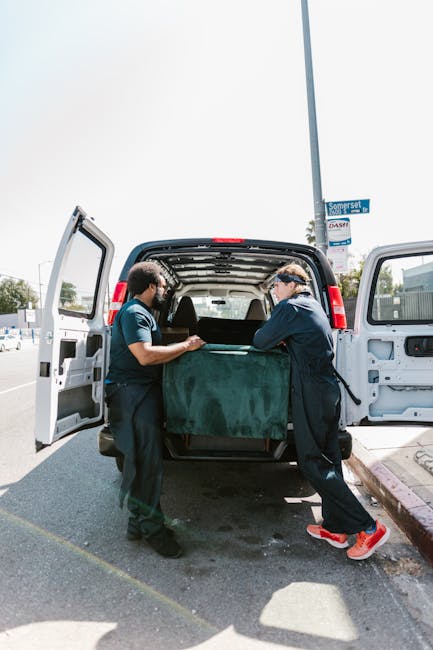
Removing bulky wardrobes in Holloway: size & lift tips
If you have ever stood in a hallway with a wardrobe that looked perfectly manageable in the bedroom and suddenly felt twice as large in the corridor, you will know the problem. Removing bulky wardrobes in Holloway: size & lift tips is really about making that awkward reality less stressful, less risky, and far more predictable. Holloway homes can throw up tight corners, narrow stairwells, awkward landings, and lift openings that look generous until you actually try to move a tall, heavy wardrobe through them. This guide walks you through the practical bits: how to measure properly, how to plan the lift, what to dismantle, and when to stop and get help rather than soldiering on.
You will also find a simple checklist, a comparison table, and a few real-world pointers drawn from everyday moving situations. No drama, just the stuff that actually helps.
Why Removing bulky wardrobes in Holloway: size & lift tips Matters
Wardrobes are awkward in a way that surprises people. They are not just heavy; they are tall, top-heavy, and often built from materials that chip easily when they catch on a wall. In Holloway, that matters because many properties were not designed around oversized flat-pack furniture arriving fully assembled. A wardrobe that is 180 cm high can become a completely different problem once you add a low ceiling, a narrow staircase, or a lift with a tight door opening.
The biggest mistake is assuming the move is about brute strength. It usually is not. It is about dimensions, angles, and control. One person rushing ahead while another is "just giving it a push" is how doors get scraped, knuckles get caught, and tempers go a bit off the rails. To be fair, that last part happens faster than people expect.
It also matters because a wardrobe move can affect more than the wardrobe itself. Hallway walls, bannisters, light fittings, and flooring can all take a hit if the lift is misjudged. If you live in a flat, the risk is even higher because one awkward turn on a landing can block the entire route. In that kind of setting, taking ten minutes to measure properly can save an hour of grief later.
For anyone planning a bigger move, wardrobe removal should sit alongside other furniture decisions. You may already be thinking about broader help such as furniture removals in Holloway, or maybe you are dealing with a whole flat and need a more structured approach like flat removals in Holloway. Either way, the wardrobe is often the one item that tests the route, not the muscles.
How Removing bulky wardrobes in Holloway: size & lift tips Works
The process is straightforward on paper: measure the wardrobe, measure the route, compare the two, and decide whether to move it intact or dismantle it. In real life, the route assessment is where most of the thinking happens. You need to check the full path from the bedroom to the van, not just the doorway. That includes corners, stairs, hallway widths, lift doors, ceiling height at the turn, and anything that sticks out, like radiator covers or stair rails.
A good lift plan usually starts with the wardrobe in its closed position, because loose doors and shelves make everything harder. If the piece is old or has mirrored panels, it is worth adding a little extra caution. Mirrors can flex, and once a wardrobe starts twisting during a lift, the stress goes into the frame and fittings. That is when screws loosen and panels begin to bow. Not ideal, obviously.
Once you know the measurements, you can choose the method. Sometimes the wardrobe can be lifted upright and angled through the route. Sometimes it needs to be partially dismantled. Occasionally, the best option is to remove doors, shelves, and top sections before a single step is taken. The right decision depends on the model, the building access, and the number of people available to carry it safely.
If you are already organising a larger move, it may help to compare wardrobe handling with other bulky items. For example, guidance on moving a bed and mattress or handling a sofa carefully gives you a useful sense of how different items need different tactics. A wardrobe is the same idea, only more vertical and a bit less forgiving.
Key Benefits and Practical Advantages
When you plan a wardrobe removal properly, the advantages go beyond simply getting it out of the room. You reduce damage, lower lifting strain, and make the rest of the move feel less chaotic. That last part matters more than people think. Once one awkward item has been handled well, the whole move usually settles down a bit.
- Less risk of damage: Measured lifts and proper dismantling protect walls, floors, wardrobes, and doorframes.
- Better control in tight spaces: Narrow London stairwells are far easier to manage when the wardrobe is reduced to a size that suits the route.
- Safer lifting: Shorter, planned lifts reduce the chance of back strain and twisted posture.
- Faster loading: A wardrobe that is already prepared for the route can be loaded into the van more efficiently.
- Less stress on moving day: You avoid the "will it fit, won't it fit" guessing game that drains energy early on.
There is also a practical savings angle. If a wardrobe can be dismantled cleanly and moved without incident, you avoid the hidden cost of repairs. A gouged wall or cracked veneer is never a nice surprise. And in Holloway, where access can be awkward even on a normal weekday, avoiding repeat attempts is a big win.
For customers who want a more joined-up plan, this kind of preparation fits neatly with wider moving support such as man and van Holloway or man with a van Holloway when the job is smaller but still needs careful handling. It sounds basic, but matching the scale of the service to the scale of the item is often the smartest move.
Who This Is For and When It Makes Sense
This guidance is for anyone dealing with a wardrobe that is too heavy, too tall, or too awkward for a casual lift. That includes tenants moving out of a flat, homeowners replacing bedroom furniture, students changing accommodation, and landlords clearing a room between lets. If the wardrobe has to pass through a shared hallway or communal entrance, it makes sense to plan it properly from the start.
It is especially useful if you live in a top-floor flat, a conversion property, or one of those Holloway buildings where the staircase makes two sharp turns and then narrows for no sensible reason. You know the type. The wardrobe usually does not.
It also makes sense when time is tight. If you are trying to clear a property on the same day, a preplanned wardrobe removal can stop the whole day from drifting. In that situation, people often look at same-day removals in Holloway or read up on what to expect from urgent same-day moves so they can keep things moving without panic.
If the wardrobe is part of a full property clear-out, or you are juggling several big pieces, the job probably deserves a more considered removal plan. That might mean working with a team who understands local access, lift use, and loading order. Not glamorous, but very useful.
Step-by-Step Guidance
Here is the simple version first: measure, clear, dismantle if needed, protect, lift, rotate, and load. The trick is doing each step with enough patience that the next one stays possible.
- Measure the wardrobe properly. Record height, width, and depth. Include any protruding handles, cornices, feet, or mirrored sections.
- Measure the route. Check door widths, stair widths, ceiling points, lift doors, and turning space on landings.
- Empty the wardrobe completely. Clothes, hangers, boxes, and loose shelves make the item heavier and less stable.
- Remove doors and shelves where sensible. This reduces weight and gives you more control in narrow spaces.
- Protect the surfaces. Use blankets, wrapping, or corner protection so the wardrobe does not catch or scrape.
- Assign roles before lifting. One person should call the movements; nobody should improvise halfway up the stairs.
- Lift with the route in mind. Sometimes the best angle is upright, sometimes slightly tilted, sometimes rotated. The route decides, not habit.
- Pause on landings. A short reset can prevent a bad twist or a knock into the wall.
- Load the van securely. Keep the wardrobe upright where possible and strap it so it cannot slide.
One useful detail: if the wardrobe has a back panel made from thin board, avoid putting stress on it during the carry. The back can flex long before the frame seems under pressure. That is the sort of thing that catches people out when they are tired and a bit overconfident at 8am.
If you want a fuller sense of the physical side of lifting, these heavy-lifting techniques and kinetic lifting practices offer a sensible backdrop. They are useful because wardrobe moving is really just controlled loading, rotation, and balance. Nothing magical about it. Just careful work.
Expert Tips for Better Results
The best wardrobe moves are usually the boring ones. No rushing, no last-minute angle changes, no "let's just see if it fits" optimism. A few simple habits make a big difference.
- Check for hidden fixings. Older wardrobes can have brackets or screws that are easy to miss.
- Use tape to secure doors. This keeps them from swinging open mid-carry.
- Protect corners first. Corners do the most damage, both to the wardrobe and the walls.
- Keep the path clear before touching the item. Shoes, rugs, coat stands, and storage boxes only get in the way later.
- Choose the right carrying height. Too high and you lose control; too low and your back takes the strain.
- Talk through the route. Saying "left," "stop," or "tilt a touch" is far better than guessing silently.
A practical tip from real moving days: if a wardrobe is near a window or at the top of a tight staircase, take a moment before moving anything. Look at the whole route from the doorway back to the bedroom. The problem spot is often obvious when you stand still and just look. Funny how that works, really.
For bigger pieces, it can also be worth checking how the wardrobe sits relative to the rest of the move. If you are packing the whole property, packing like a moving expert can help you avoid the classic issue of bulky items being trapped behind boxes. You do not want to build a little obstacle course for yourself.
If the job is unusually heavy or the access is more awkward than expected, the safest expert tip is this: slow down. A slower move is still a good move if it avoids damage. No one ever got a medal for forcing a wardrobe through a doorway.

Common Mistakes to Avoid
Most wardrobe mishaps come from the same handful of mistakes. They are common, which is comforting in a strange way, because they are also avoidable.
- Skipping measurements: Guessing the fit almost always ends badly.
- Forgetting to clear the wardrobe: Full wardrobes are heavier, bulkier, and harder to balance.
- Trying to move it alone: Even if you are strong, you still need control and sight lines.
- Not protecting surfaces: A plain wall can get marked in seconds.
- Ignoring lift limits: If a lift is too small, do not force the door shut around the item.
- Rushing the turn on stairwells: This is where many scrapes happen.
- Assuming flat-pack means easy: Flat-pack wardrobes can still be heavy and awkward once assembled.
There is also a more subtle mistake: using the wrong help for the wrong item. A wardrobe is not a mattress. It is not a sofa either. Each item behaves differently. If you are handling multiple pieces, it can be useful to compare the advice around sofa care and storage with furniture-specific moving guidance, simply because it sharpens your sense of what needs padding, strapping, or dismantling.
And yes, overconfidence is a mistake too. Happens all the time. The wardrobe looks stable right up until it does not.
Tools, Resources and Recommendations
You do not need a warehouse of equipment to move a wardrobe well, but a few tools can make the job much safer and cleaner.
| Tool or resource | Best use | Why it helps |
|---|---|---|
| Measuring tape | Checking wardrobe size and route clearance | Prevents guesswork and reduces failed attempts |
| Furniture blankets | Protecting surfaces during carry and transit | Helps avoid dents, scratches, and corner damage |
| Ratchet straps | Securing the wardrobe in the van | Stops sliding and tipping while driving |
| Screwdriver set | Removing doors, handles, and fittings | Makes dismantling quicker and tidier |
| Work gloves | Improving grip and reducing hand knocks | Useful on older furniture with rough edges |
| Route plan | Mapping stairs, turns, and lift access | Helps everyone stay in sync during the move |
If you are building a wider moving plan, a few related resources can also help. Decluttering before you move can reduce the number of large items you need to handle. A spotless move-out is useful if you need the property ready after the wardrobe has gone. And if you are packing smaller items at the same time, packing and boxes in Holloway can support the rest of the process.
For anyone who wants extra reassurance around transport and handling, insurance and safety is worth a look, especially when you are dealing with heavy furniture and shared access spaces. It is one of those details you hope not to need, but you are glad it is there.
Law, Compliance, Standards and Best Practice
For wardrobe removals, the main compliance concerns are usually safety, access, and property care rather than anything highly technical. In practice, the expectation is simple: do not create avoidable risk for yourself, your helpers, or the building. That means sensible lifting, clear communication, and respect for common areas and neighbouring properties.
If you are using shared hallways, lifts, or communal entrances, best practice is to protect surfaces, avoid blocking escape routes, and keep noise and disruption to a sensible minimum. In many London buildings, this is just basic courtesy, but it is also the sort of thing that keeps a move calm. Nobody likes a neighbour opening their door just as a wardrobe catches the banister. Awkward, to say the least.
Health and safety should be taken seriously, especially with heavy furniture. The general principle is to avoid lifting loads that are too bulky or unstable for the people available. If the wardrobe needs a two-person or three-person carry, then that is what it needs. A short lift done properly is better than a heroic one done badly.
There is also a sustainability angle. If the wardrobe is no longer wanted, consider whether it can be reused, broken down for recycling, or otherwise handled responsibly. A lot of furniture has a second life if it is taken apart carefully. The recycling and sustainability guidance is a useful reminder that removal is not always the end of the story.
For a broader overview of how a professional service is organised, services overview can help you understand the wider moving context. And if you want to know more about the company's background and approach, about us provides that fuller picture.
Options, Methods, or Comparison Table
There is no single right way to remove a bulky wardrobe. The best method depends on size, access, material, and urgency. Here is a clear comparison.
| Method | Best for | Pros | Watch-outs |
|---|---|---|---|
| Move intact | Smaller wardrobes with open access | Fast, less dismantling, fewer loose parts | Can be impossible in tight stairwells or narrow lifts |
| Partial dismantle | Most standard bedroom wardrobes | Balances speed and control | Needs tools, organisation, and label care |
| Full dismantle | Large or awkward wardrobes | Best for tight access and safer handling | Takes longer and requires careful reassembly |
| Professional removal support | Heavy, valuable, or access-challenging items | Reduces risk and stress | Costs more than doing it yourself |
In Holloway, partial dismantling is often the sweet spot. It gives enough flexibility for staircases and turns without turning the job into a full furniture project. That said, if the wardrobe is very tall or the building access is tight, full dismantling may be the only sensible choice.
If you are comparing support options, it can help to think in terms of the job as a whole. A man with a van setup may suit a straightforward furniture move, while a more rounded removal service in Holloway can make more sense for multi-item jobs with awkward access. For broader choices, removal companies in Holloway and removals in Holloway are the kinds of service categories people compare when the moving day is getting real.
Case Study or Real-World Example
A fairly typical Holloway scenario: a two-bedroom flat with a tall wardrobe in the back bedroom, a narrow corridor, and a stairwell that bends at the half landing. On paper, the wardrobe looked like it might fit intact. In practice, once the doors were measured against the turn, it was obvious that the top section needed to come off first.
The team cleared the wardrobe, removed the doors, wrapped the corners, and checked the route before moving a single inch. The tricky part was the landing turn, which had just enough width to tempt a rush. Instead, they paused, rotated the unit slowly, and moved it in a controlled lift with one person guiding from below and another steadying from the rear. No wall marks. No wobble. No noisy panic.
What made the difference was not strength. It was preparation. The move took a little longer than a rushed attempt would have, but it saved the frame, the wall paint, and everybody's back. That is usually how these jobs go when they go well. Quietly. A bit dull, even. Which is exactly what you want.
That kind of planning often pairs well with other local moving challenges. For instance, if you are dealing with awkward access in a nearby property, the advice in manoeuvring narrow access in N7 is useful context. Likewise, if the wardrobe move is part of a deadline-heavy day, a stress-free moving guide can help you keep the pace steady without losing control.
Practical Checklist
Use this before the wardrobe is lifted, not after.
- Measure the wardrobe height, width, depth, and any protruding parts.
- Measure all doors, halls, stairs, corners, and lift openings on the route.
- Empty the wardrobe fully.
- Remove loose shelves, doors, handles, and fittings where sensible.
- Wrap corners and vulnerable surfaces.
- Clear the route of rugs, shoes, boxes, and other clutter.
- Decide who is lifting, who is guiding, and who is opening doors.
- Check the weight distribution before moving.
- Confirm the final van loading position in advance.
- Keep straps, blankets, and tools ready before you start.
- Pause at awkward turns instead of pushing through blindly.
- Double-check the destination room is clear too.
Expert summary: If the wardrobe is tall, heavy, or built from chipboard or veneer, treat it like a precision item, not a lump of furniture. The route matters as much as the weight. Maybe more. Measure first, lift second, and never be shy about dismantling a piece that clearly wants to be dismantled.
Get a free quote today and see how much you can save.
Conclusion
Removing bulky wardrobes in Holloway is one of those jobs that rewards calm planning more than speed. Once you understand the size of the wardrobe and the lift route it has to travel, the whole task becomes more manageable. Measure carefully, dismantle where needed, protect the surfaces, and keep the lifting controlled. Simple advice, yes, but it works.
If you remember only one thing, make it this: the best wardrobe removal is the one that looks almost uneventful by the end. No scrapes, no last-minute panic, no strained backs. Just a clear room and a job done properly. And honestly, that feels pretty good.
When the dust settles and the space opens up, there is a real sense of relief in the room. Bit by bit, the move starts to feel possible again.