Legal disposal in Holloway: council rules for waste
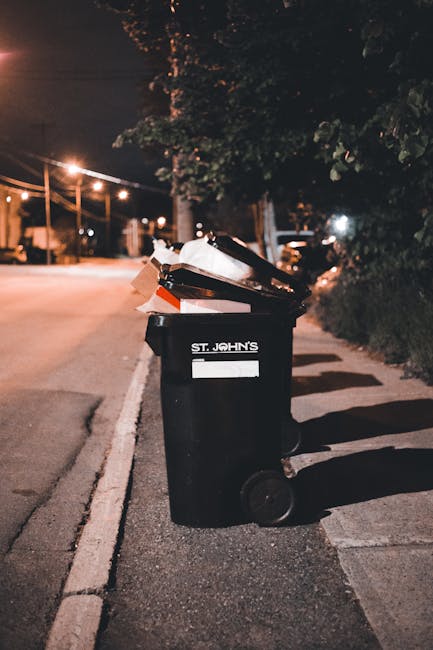
If you are trying to work out the right way to get rid of rubbish in Holloway, you are not alone. House clearances, old furniture, builders' rubble, broken appliances and the random pile that appears after a move all raise the same question: what is the legal way to dispose of waste, and what do council rules actually mean in practice?
This guide to Legal disposal in Holloway: council rules for waste walks you through the essentials in plain English. We will cover what counts as lawful disposal, how council expectations usually work, the common mistakes that lead to problems, and how to choose a sensible method without overcomplicating things. To be fair, waste rules are one of those topics people only think about once the bags are already by the door.
Whether you are clearing a flat, managing a renovation, or simply trying to stay on the right side of local rules, the aim here is simple: help you dispose of waste responsibly, avoid unnecessary risk, and make the whole process feel manageable.
Why legal waste disposal matters in Holloway
Legal disposal is not just about avoiding a fine, although that is part of it. It is also about protecting shared streets, keeping bins usable for residents, and making sure waste ends up where it should. In a busy London area like Holloway, where pavements can already feel tight and bin storage is often limited, one badly handled pile of rubbish can become a nuisance very quickly.
The council's rules for waste are usually designed to prevent fly-tipping, contamination of recycling streams, blocked footways, and unsafe handling of bulky items. If a bag is left in the wrong place or a sofa is dumped without arranging proper collection, the problem does not disappear. It tends to sit there, looking worse by the hour, and everyone notices.
There is also a practical side. Legal disposal helps you avoid having your waste rejected, having to re-sort everything later, or paying twice because the first attempt was not compliant. That kind of delay is frustrating when you are already juggling a move, a clear-out, or a renovation. Nobody wants to spend a Saturday morning untangling that.
For households and businesses alike, understanding the rules is a small bit of planning that saves time, stress and awkward surprises.
How legal disposal in Holloway works
At a basic level, lawful waste disposal means separating waste correctly, choosing an approved disposal route, and making sure the person taking it away is doing so responsibly. The details depend on the type of waste. General household rubbish, recycling, garden waste, bulky items and trade waste are not treated the same way, and that distinction matters.
For ordinary domestic waste, the council typically expects residents to use the right bins or collection arrangements and to present waste in the correct way. That usually means bagging waste properly, keeping recycling clean, and not overfilling containers. If your bags are loose, leaking, or mixed with the wrong materials, they may be left behind. Annoying, but predictable.
For larger items, such as wardrobes, mattresses or old white goods, you generally need a separate bulky waste solution rather than simply leaving them beside household bins. For renovation debris or business waste, the expectations are stricter still. You may need a licensed carrier or a more formal removal arrangement, especially if the load includes mixed materials.
That is where a reliable removals team can help. If you are moving home or clearing furniture, a service such as man with van support can be useful when the waste is part of a larger move, while furniture pick up may suit bulky but reusable items that need careful handling. For bigger relocations, the right fit may be one of the broader removal services options.
There is one simple rule worth remembering: if waste leaves your property, you should be able to explain where it went and why that route was appropriate. That is the kind of clarity councils, landlords and responsible operators like to see.
Key benefits and practical advantages
Following legal disposal rules is not only about compliance. It has a few very real upside effects that make life easier.
- Less risk of penalties or complaints. Improper disposal can create avoidable trouble, especially if waste is dumped or collected irresponsibly.
- Cleaner recycling outcomes. When items are sorted properly, more material can go into the right stream instead of being contaminated.
- Safer handling. Old glass, sharp metal, broken furniture and hidden fixings can all cause injuries if waste is moved carelessly.
- Better timing. A planned disposal route saves the last-minute scramble of finding somewhere to take everything on moving day.
- Less clutter during a move. Clearing waste before packing or loading makes the whole process calmer. You notice the difference straight away.
There is also a reputation benefit for landlords, office managers and homeowners. A tidy, lawful disposal process signals that the property is being managed properly. That sounds a bit grand, but it matters. A left-behind mattress in the street says something very different from a well-organised clearance.
If you are planning a bigger transition, you may also want to think about how waste removal fits into the rest of the job. For example, home moves often create mixed waste from decluttering, while office removals can involve confidential paper, packaging and broken fittings that need separate handling.
Who this is for and when it makes sense
This topic matters to far more people than you might expect. In Holloway, legal waste disposal is relevant if you are:
- moving out of a flat or house
- clearing furniture after a tenancy ends
- disposing of damaged household items
- managing packaging waste after delivery or installation
- renovating a kitchen or bathroom
- running a shop or office and replacing old equipment
- supporting a family member with a declutter
It also makes sense if your building has limited storage, shared bin space, or awkward access. Holloway streets can be busy and, frankly, not always generous with loading space. That means the plan matters. What works in a large suburban driveway may be a mess on a narrow residential road.
For tenants, the biggest risk is leaving waste behind and losing part of a deposit. For landlords, it is leaving the property in a condition that creates complaints or delays a re-let. For businesses, it is about keeping operations neat and making sure waste is handled in line with accepted duty-of-care expectations. Different situation, same principle: plan first, dump later.
If your situation involves heavy lifting or a full property clear-out, it can help to use a professional moving team. Pages like movers and removals are useful starting points when you need support beyond simple bin disposal.
Step-by-step guidance
Here is a practical way to handle waste disposal legally without turning it into a week-long project.
- Sort everything into categories. Keep general rubbish, recycling, bulky items, electricals, and anything potentially hazardous separate.
- Check what can go in the normal bin stream. Everyday waste is usually straightforward, but mixed loads often are not.
- Set aside reusable items. Good furniture, appliances and household goods may be suitable for donation, resale or collection.
- Decide what needs special handling. Mattresses, fridges, TVs, paint, chemicals and renovation debris often need a different route. No shortcuts here.
- Choose the right removal method. Use council collection, a licensed waste route, or a removal service depending on the item type and volume.
- Prepare access properly. Clear hallways, protect floors, and make sure items are easy to load without blocking neighbours or the pavement.
- Keep records where appropriate. If you are a business or landlord, keep notes of what was removed and by whom. It is simple housekeeping, but very useful later.
- Double-check the final sweep. Look behind doors, in cupboards, under beds and in the shed. That forgotten pile in the corner has a habit of surviving everything else.
If you want a smoother handover during a move, pairing disposal with packing help can save time. Services such as packing and unpacking services can reduce the amount of waste generated in the first place, because things tend to get sorted properly as they come down.
A simple real-world example: someone clearing a one-bedroom flat might separate paper and cardboard, keep usable items aside, and remove a broken bed frame through an appropriate disposal channel. That is far better than leaving mixed bags and a mattress by the front railings and hoping for the best. Hope is not a waste strategy.
Expert tips for better results
These are the small habits that make a big difference.
- Start earlier than you think. Waste always takes longer than the optimistic version in your head.
- Label bags and boxes. It sounds basic, but labelled waste is much easier to sort on the day.
- Keep liquids out of mixed waste. Paint tins, cleaning products and aerosols need careful attention.
- Don't mix recyclable materials with food waste or general rubbish. Once contaminated, recycling is harder to process.
- Break down furniture where safe. Flat-pack items, shelves and tables are easier to move when disassembled properly.
- Use a clear loading point. In a narrow street, one neat stack is far better than scattered bags. Your neighbours will thank you, quietly but sincerely.
Another good habit is to think in terms of volume, not just item count. One wardrobe can fill a van faster than you expect. And if you are dealing with mixed waste from a refurbishment, the weight can become the issue, not just the size. That is where choosing the right vehicle or removal setup matters.
If your disposal needs are tied to a house move, the broader house removals service page may be helpful for understanding how the transport side of the job fits around decluttering and clear-out work.
Common mistakes to avoid
Most waste problems come from a handful of predictable mistakes. The good news is that they are easy to avoid once you know them.
- Leaving waste outside too early. This can block paths, annoy neighbours, and create an obvious fly-tipping risk.
- Assuming all rubbish is the same. It is not. A bag of paper, a broken toaster and leftover paint are handled differently.
- Using the wrong carrier. If someone is taking your waste away, make sure the service is appropriate for the material and volume.
- Forgetting about electronics. Old cables, monitors and appliances often need separate attention.
- Dumping items because collection is inconvenient. That shortcut can turn into a much bigger headache.
- Not thinking about access. A van may be booked, but if stairways, lifts or parking are not planned, the whole job slows down.
One slightly awkward but common issue is the "it'll be fine if I leave it by the bin" approach. Usually, it will not be fine. Councils and property managers tend to notice. So do neighbours. Sometimes especially neighbours.
Another mistake is treating waste removal as a separate task from the move or clear-out itself. In practice, it is often part of the same chain. If you are already booking transport, it is worth thinking about the waste at the same time rather than as an afterthought.
Tools, resources and recommendations
You do not need fancy equipment to dispose of waste properly, but a few simple tools make the process smoother:
- Heavy-duty sacks and boxes for secure sorting
- Labels or marker pens to separate categories clearly
- Gloves for sharp edges, dirty items, or dusty loft clearances
- Trolley or sack truck for moving heavier items safely
- Blankets and straps if items need protecting during transport
On the service side, a few pages on this site are especially useful when waste disposal is part of a larger job. If you are comparing help for transport and loading, man and van and man and van removals can suit smaller moves and lighter clear-outs. If the job is bigger, removal company and removal companies give you a sense of broader service options.
For readers who care about how waste is handled beyond the immediate collection, the site's recycling and sustainability page is a sensible companion read. It helps frame disposal as part of a wider responsible process, not just a one-off clear-up.
And if you are trying to keep the whole move secure, the insurance and safety and health and safety policy pages help set expectations around careful handling. Quietly reassuring stuff, really.
Law, compliance, standards and best practice
Waste disposal in the UK sits within a broader legal and practical framework. You do not need to become a waste-law specialist, but you do need to understand the principle of responsibility. If you produce waste, arrange it, or pay someone to remove it, you should take reasonable steps to make sure it goes to the right place.
For households, that usually means using council bins and collections correctly, keeping recyclables clean, and avoiding illegal dumping. For businesses, the expectations are higher. Trade waste needs a proper arrangement, and businesses are generally expected to be more structured about records, transfer, and disposal routes.
Best practice usually includes:
- separating waste by type before collection
- avoiding contamination of recycling bins
- making sure bulky items are handled through an appropriate route
- using a reputable removal or clearance provider
- keeping enough information to show where waste went
In day-to-day terms, the safest approach is to treat waste like anything else that leaves your property: know what it is, know where it is going, and do not take chances with the bits that need special handling. That may sound a bit obvious, but obvious is often what keeps people out of trouble.
If you are dealing with a commercial property or office move, the logistics are often more involved. The pages for commercial moves and office relocation services are useful context for planning disposal alongside furniture movement, equipment handling and strip-out work.
Options, methods and comparison table
Different disposal routes suit different kinds of waste. Here is a practical comparison to help you choose the right one.
| Method | Best for | Strengths | Watch-outs |
|---|---|---|---|
| Council collections | Routine household waste and some bulky items | Simple, familiar, usually cost-effective | May have limits on item types, timing, or presentation |
| Reuse or donation | Usable furniture and household goods | Reduces waste and keeps items in circulation | Only works if items are safe, clean, and suitable |
| Licensed waste removal | Mixed clear-outs, heavy items, renovation debris | Handles larger loads and saves time | Must be chosen carefully for the right type of waste |
| Van-based clearance as part of a move | Households clearing out during relocation | Combines transport with practical loading support | Needs clear sorting before the van arrives |
For many people, the best choice is not one method alone but a combination. Reuse the good stuff, recycle what can be recycled, and remove the rest through a suitable route. That tends to be the cleanest and least stressful approach.
When you are already comparing moving options, pages like moving van, removal van and removal truck hire can help you think through the vehicle side of a clearance or move. Not every job needs the same scale of transport.
Case study or real-world example
Imagine a small flat in Holloway at the end of a tenancy. The occupier has a broken desk, a mattress, several bags of mixed household waste, an old microwave and a stack of flattened cardboard from a recent delivery spree. The temptation is to put it all outside in one go and hope it disappears. But that would be a poor plan.
A better approach is to sort the cardboard cleanly for recycling, separate out the microwave, keep the mattress and desk for an appropriate bulky-item route, and bag the remaining household waste securely. The hallway is cleared, the lift is protected, and the street is not turned into a mini dumping ground. Result: faster loading, less mess, and far fewer headaches.
In another everyday scenario, an office replacing furniture might have old chairs, printer waste, packaging and some confidential paper. The chairs may be suitable for collection, the packaging can often be handled separately, and the paper should be treated carefully. The process is not glamorous, but it is tidy and sensible. And in London, tidy usually wins.
These are the jobs where planning pays off. The waste disappears legally, the move stays on schedule, and nobody is left muttering about one forgotten pile near the door. We have all seen that pile. It never looks smaller the next morning.
Practical checklist
Use this checklist before any waste is removed from your property.
- Have I separated general waste, recycling and bulky items?
- Are any items reusable, donatable or suitable for pick-up?
- Do I know which items need special handling?
- Is the access route clear for moving items out safely?
- Have I protected floors, walls or communal areas where needed?
- Have I checked whether anything is sharp, heavy or hazardous?
- Is the removal method suitable for the amount of waste I have?
- Do I need records or confirmation for business or tenancy purposes?
- Have I done a final room-by-room sweep?
- Am I confident the waste will be handled legally and responsibly?
One small habit that helps a lot: take a quick photo of the sorted waste before it leaves. Not for drama, just for reference. It can be useful if you need to prove what was cleared, especially in shared housing or business settings.
Get a free quote today and see how much you can save.
Conclusion
Legal disposal in Holloway is really about common sense backed by the right process. Sort waste properly, understand what needs special treatment, and choose a route that matches the item, the volume and the setting. That is the heart of it. No mystery, just a bit of order.
If you keep the council rules in mind and plan ahead, waste removal becomes one less thing to worry about during a move, a clearance or a refurbishment. And that is worth a lot, especially on a busy London day when the stairs are narrow, the bins are full, and the kettle is calling.
Do it neatly, do it legally, and the rest of the job tends to feel lighter.
Frequently Asked Questions
What does legal disposal of waste mean in Holloway?
It means getting rid of rubbish through an approved route that matches the waste type, such as council bins, bulky-item arrangements, recycling, reuse or a suitable removal service. The key is not leaving items where they should not be.
Can I leave bulky waste next to the bins?
Usually, no. Bulky items are normally meant to be arranged separately. Leaving them beside the bins can create obstructions, complaints or collection issues. It is better to use the correct collection route.
What counts as bulky waste?
Common examples include sofas, mattresses, wardrobes, tables, old appliances and other large household items that do not fit in standard bins. The exact handling depends on the item and its condition.
Can mixed waste be collected together?
Sometimes, but it is often better to separate it first. Mixed loads can be harder to process, more expensive to handle, and more likely to be rejected if they contain the wrong materials.
Do I need to keep records of waste disposal?
If you are a business, landlord or anyone arranging larger clear-outs, keeping simple records is a good idea. It helps show what was removed and makes the process easier to explain later.
Is it better to reuse items before throwing them away?
Yes, when items are safe and suitable. Reuse, donation or resale reduces waste and often makes the clear-out cheaper and cleaner. Good-quality furniture is often worth keeping in circulation.
What should I do with electrical items?
Electricals should be handled separately rather than mixed into general rubbish. Old appliances, cables and electronics may need a specific collection or disposal route depending on their type.
How can I avoid problems with waste during a move?
Sort early, label clearly, and decide what is staying, what is being reused, and what is being removed. If the move is larger, planning the disposal side alongside the transport side saves a lot of last-minute stress.
What if I am clearing a property quickly?
Work from the biggest items down. Separate bulky furniture, bag the mixed waste, and keep recyclables apart. If time is tight, a removal service can help move the clear-out along without turning it into chaos.
How do council rules affect businesses in Holloway?
Businesses usually need to be more structured about waste handling, especially for trade waste, office clearances and mixed material disposal. A proper, traceable process is the safest approach.
When should I use a professional removal service?
If you have bulky items, limited access, multiple rooms to clear or a moving deadline, a professional service is often the simplest option. It is especially useful when the waste is part of a larger move or relocation.
What is the safest first step if I am unsure?
Start by sorting the waste into obvious categories: general waste, recycling, reusable items and anything that needs special handling. Once that is done, it becomes much easier to choose the correct disposal route.
If you are comparing moving help, planning a clear-out, or simply trying to stay organised, the right support can make a messy job feel surprisingly manageable. And honestly, that is a relief in itself.