Caledonian Road flats: manoeuvring narrow access in N7
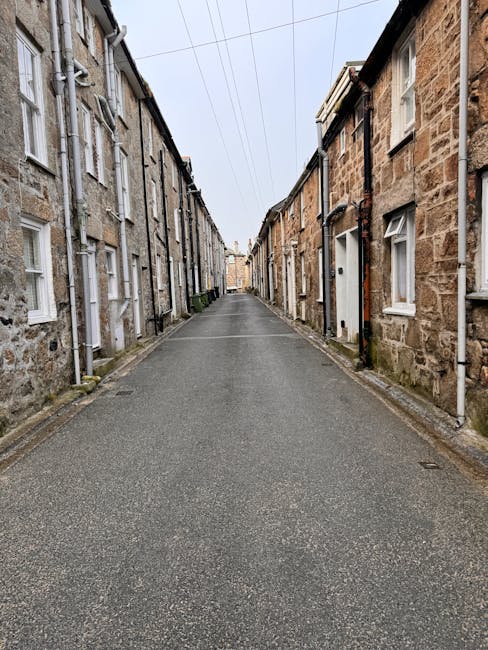
Moving into or out of a flat near Caledonian Road can be straightforward on paper and awkward in real life. One narrow stairwell, a tight entrance hall, a awkward bend in the landing, or a parking spot that disappears just when you need it can turn a simple move into a bit of a scramble. That is exactly why Caledonian Road flats: manoeuvring narrow access in N7 deserves proper planning, not last-minute guessing.
This guide explains how narrow-access moves work, what tends to go wrong, and how to make the whole process calmer and safer. Whether you are dealing with a top-floor flat, a basement property, or a Victorian conversion with tight internal turns, you will find practical steps here that genuinely help. And yes, a little preparation goes a long way.
Why Caledonian Road flats: manoeuvring narrow access in N7 Matters
Caledonian Road and the surrounding N7 streets are full of varied housing stock: older terraces, converted flats, mansion blocks, student lets, and compact modern apartments. That variety is great for character, but it often means stairs are steeper than you expect, hallways are narrower than a standard sofa, and door frames do not always welcome bulky furniture with open arms.
In practical terms, narrow access affects almost every part of moving day. If a wardrobe cannot rotate at the top of the stairs, it may need partial dismantling. If the van cannot park close enough, every box takes longer to move. If a mattress has to be folded awkwardly, you risk damaging both the item and the wall paint you just paid for. Truth be told, the stress usually comes from small details rather than one dramatic problem.
For residents, landlords, students, and families alike, the main reason this topic matters is simple: small properties leave little room for error. A move that would be easy in a suburban house can become time-sensitive in a flat with shared access, limited waiting space, and neighbours who would rather not hear a drill at 7am.
If you are still at the planning stage, it helps to read broader guidance on flat removals in Holloway and the wider services overview so you can match the service to the building rather than the other way round.
How Caledonian Road flats: manoeuvring narrow access in N7 Works
Narrow-access moving is not just about having strong arms. It is a sequence of decisions: measuring, sorting, protecting, lifting, rotating, and sometimes splitting the move into smaller loads. The best approach depends on the layout of the property, the size of the items, and how much room you actually have at each point in the route.
The process usually starts before moving day. A good mover, or a careful resident planning their own move, will look at:
- stair width and turning space
- lift size, if there is one
- door widths and internal corners
- parking distance from the entrance
- any shared access restrictions or time windows
- items that may need dismantling or specialist handling
Then comes the route planning. That may sound a bit grand for carrying a sofa downstairs, but it matters. A bulky item may fit through a hallway if it is angled early enough. Or it may need to be taken vertically, rotated halfway, and protected with blankets to avoid scraping. Small decisions. Big difference.
For heavier objects, techniques matter even more. If you are dealing with awkward boxes, white goods, or unusually dense furniture, it is worth reviewing practical heavy lifting techniques and the more general advice in safer lifting practices. They will not magically make a fridge light, obviously, but they do reduce avoidable strain.
The best narrow-access moves are rarely the flashiest. They are the ones where somebody quietly thought, "Hold on, will that actually fit?" before anything got stuck.
Key Benefits and Practical Advantages
Getting narrow access right brings benefits that go beyond simply finishing the move.
- Less damage to belongings: careful movement reduces scuffs, dents, chipped corners, and torn upholstery.
- Less damage to the building: shared hallways, paintwork, bannisters, and doors are all easier to protect when access is planned.
- Less physical strain: fewer rushed lifts means less risk of back, shoulder, and grip problems.
- Fewer delays: if a route is measured and item sizes are known, moving day runs more smoothly.
- Better neighbour relations: a tidy, efficient move is usually quieter and less disruptive.
There is also a less obvious benefit: confidence. Once you know the furniture can be handled safely, the whole day feels more manageable. You stop second-guessing every corner and start making proper decisions.
That confidence is especially useful in N7, where parking, stair access, and building layouts can all vary from one address to the next. A move with man and van support in Holloway can be ideal when you need flexibility without overcommitting to a larger vehicle or team than the property really needs.
| Approach | Best for | Main advantage | Potential drawback |
|---|---|---|---|
| DIY move with friends | Small loads, very light furniture | Lower upfront cost | Higher risk of delays and strain |
| Man and van | Flat moves with variable access | Flexible and efficient | May still need careful prep |
| Specialist removal team | Heavy or awkward items, tight stairwells | Better handling and route planning | Usually costs more than DIY |
| Storage-first move | Staged relocations or uncertain dates | Removes pressure from the day | Extra coordination required |
Who This Is For and When It Makes Sense
This kind of planning is useful for a lot more people than you might expect. It is not just for large families or landlords with full flats to clear. In fact, some of the trickiest narrow-access jobs are single-person moves where one or two bulky items are the entire challenge.
You may need this approach if you are:
- moving into a converted flat with tight stairs
- leaving a top-floor apartment with no lift
- furnishing a rental with large second-hand pieces
- moving student belongings quickly between terms
- handling delicate or awkward items like a piano, freezer, or sofa bed
- dealing with an older building where internal angles are the real problem
It also makes sense when timing is tight. If keys are exchanged in the morning and you need the flat empty by early afternoon, there is very little room for guesswork. That is where a practical service such as same-day removals in Holloway can be useful, especially when plans change at short notice. Not every move needs that level of speed, but some really do.
Students in the area often face the same constraints in a different form: boxes, bedding, desk items, and a couple of heavy pieces packed into one small room. For that sort of relocation, student removals in Holloway can be a sensible fit.
Step-by-Step Guidance
If you want the move to feel controlled rather than chaotic, follow a sequence. Skipping ahead is where most people get caught out. You can almost hear the click when a plan goes from "fine" to "why is this sofa sideways in the hallway?"
- Measure the key points. Check furniture dimensions, door widths, stair turns, and lift openings. Do not rely on memory.
- Identify the awkward items first. Sofas, mattresses, wardrobes, white goods, and anything fragile should be reviewed before packing anything else.
- Decide what can be dismantled. Bed frames, table legs, and shelving often move better in pieces. If you need help with bedroom furniture, this mattress and bed moving guide is worth a look.
- Clear the route. Remove loose rugs, hallway clutter, drying racks, and anything that can trip someone up mid-carry.
- Protect the surfaces. Use blankets, corner protectors, and wraps on anything likely to brush walls or bannisters.
- Load in the right order. Heavier and more robust items usually go in first, with fragile items secured so they do not shift.
- Move slowly at bottlenecks. Tight turns need patience. Rushing here is what causes most scrapes.
- Check each room before leaving. A final sweep saves headaches later. If you are also trying to leave the place spotless, this move-out cleaning guide can help keep the end of the move tidy.
A sensible sequence often includes decluttering before packing. The less you carry, the less you have to manoeuvre. Simple, but people forget it all the time. If you want a cleaner start, decluttering before you move can make a surprising difference.
Expert Tips for Better Results
Here are the kinds of practical details that often save the day.
- Use the right angle early. If a sofa is going to fit, it often fits at a specific angle long before it reaches the doorway.
- Protect before you start, not after. Once the first scrape happens, the moment has gone.
- Keep one person free to spot hazards. Two people carrying and one person guiding can be safer than everyone trying to help at once.
- Don't overload the trolley. A hand truck or sack barrow is helpful only if the load stays stable.
- Wrap awkward surfaces properly. Gloss furniture, fridge doors, and polished wood can mark easily.
- Leave breathing room in the van. Items packed too tightly are harder to unload safely at the other end.
To be fair, some of the best tips are almost boring. Tape the drawers shut. Label the box. Remove the lamp shade before lifting the sofa. Boring is good on moving day.
If you are packing delicate belongings or taking apart a whole flat, the guide on packing your entire home like a moving expert has some very useful ideas. For bulky furniture, you may also want to look at furniture removals in Holloway when the items are simply too awkward to manage alone.
Common Mistakes to Avoid
Most narrow-access problems are predictable. That is the annoying part. They are rarely mysterious; they are just overlooked.
- Not measuring properly. "It should fit" is not a measurement.
- Forgetting stair landings. A sofa may fit the doorway and still fail on the turn.
- Using the wrong number of people. Too few hands creates strain; too many can create confusion.
- Ignoring the weather. Wet steps and damp pavement matter, especially in the morning.
- Leaving packing too late. Rushed packing leads to badly weighted boxes and poor protection.
- Assuming every van is suitable. Access and parking are part of the job, not an afterthought.
- Trying to move specialist items casually. A piano is not just a big box, and a freezer is not just another appliance.
That last one matters. Items like pianos or large refrigeration units need specific handling. If you are dealing with something highly delicate or unusually heavy, read safe and professional piano moving and, where relevant, explore piano removals in Holloway. For appliance care during downtime, there is also proper freezer storage guidance.
And yes, people do try to carry a freezer down a narrow staircase by "just being careful". It rarely ends well. A bit of humility is handy here.
Tools, Resources and Recommendations
You do not need a warehouse full of kit, but a few items make narrow-access moves far easier.
- Removal blankets: useful for protecting furniture edges, doors, and stair rails.
- Stretch wrap: helps keep drawers, doors, and loose fittings secure.
- Furniture sliders: helpful on some floors, though not a cure-all.
- Trolleys and sack barrows: essential for heavier items, provided the route is suitable.
- Ratchet straps: useful for securing items in transit.
- Strong boxes and tape: good packing materials reduce collapse and reduce re-packing later.
If you need supplies, a dedicated packing service can save a lot of faff. See packing and boxes in Holloway for support around materials and preparation. If you need somewhere to hold items while you work around access constraints, storage in Holloway is worth considering.
For a calmer process overall, it can also help to read a stress-free moving guide. It ties together planning, packing, and timing in a way that is actually usable on a real moving week.
Law, Compliance, Standards, or Best Practice
Moving a flat in a narrow-access area is mostly a practical job, but there are still standards and responsibilities to keep in mind. In the UK, the key issue is safety: protecting people, property, and shared spaces. You do not need to become a legal expert, but you do need to avoid careless handling and unsafe lifting.
Good practice usually includes the following:
- carrying out a sensible risk assessment before moving heavy or awkward items
- using appropriate lifting methods and team coordination
- keeping communal areas clear and preventing trip hazards
- checking whether the building has access rules for move times or loading areas
- making sure insurance arrangements are suitable for the type of move
If you are hiring help, ask about their safety approach and whether they have clear terms, pricing, and handling procedures. The relevant support pages on insurance and safety and health and safety policy are useful places to start if you want reassurance about process and responsibilities. You may also want to check terms and conditions and payment and security before booking anything.
Best practice also means being realistic. If an item is too large for the stairwell, forcing it is not a clever workaround. Sometimes the right answer is dismantling, using different equipment, or moving it through storage and back in later. That is not a failure. It is just good judgment.
Options, Methods, or Comparison Table
Different access situations call for different methods. The right choice depends on the size of the building, the item list, and how much help you want on the day.
| Method | Ideal scenario | Strengths | What to watch |
|---|---|---|---|
| Self-move with hired van | Small flat, light furniture | Budget-friendly, flexible | More physical effort, more risk if measurements are off |
| Man and van | Typical N7 flat move | Balanced cost and support | Still needs clear access info in advance |
| Full removals service | Many items, poor access, tight deadline | Less stress, more handling support | May be more than you need for a tiny move |
| Split move with storage | Delayed completion, renovations, staged move | Flexible and less crowded on moving day | Needs more planning and coordination |
If you are not sure which route fits your situation, a conversation with a local team can save time. A quick estimate based on actual access details is usually far more useful than a generic quote. If you need a starting point, pricing and quotes is the page to check.
Case Study or Real-World Example
Imagine a two-bedroom flat just off Caledonian Road: third floor, no lift, a narrow entrance hall, and one sofa that looked perfectly manageable in the shop. On arrival, the route from front door to living room included a tight turn at the top of the stairs and a small landing with a fire door that opened inward.
The first attempt to carry the sofa upright would have failed. Instead, the item was measured, rotated before the landing, and wrapped at the corners to protect the wall paint. A bed frame was dismantled in advance, boxes were grouped by room, and the heaviest items were kept to the smallest load size that could be moved safely. The van parked just far enough away to remain legal and practical, but not so far that every trip became a marathon.
The result? Fewer trips, fewer scrapes, and much less noise in the stairwell. Nothing dramatic happened, which was exactly the point. By the end of the move, the client was tired but calm, not apologising to neighbours or staring at a chipped banister. Honestly, that is a win.
For moves like this, a service that understands tight access and awkward items is often the difference between a stressful day and a controlled one. You can learn more about the broader approach through removals in Holloway and related removal services in Holloway.
Practical Checklist
Use this checklist before moving day. It keeps the important bits from slipping through the cracks.
- Measure all large furniture and key access points
- Check stair turns, landings, and lift dimensions
- Decide which items need dismantling
- Confirm parking and access arrangements for the van
- Protect walls, corners, and floors
- Pack heavy items into manageable boxes
- Label fragile and priority items clearly
- Set aside tools for quick dismantling and reassembly
- Keep communal areas clear and tidy
- Plan the unload route at the destination as well as the departure point
- Review insurance, safety, and payment details in advance
- Have a backup plan for bulky items that do not fit as expected
Expert summary: The smoothest narrow-access moves are usually the ones where the route is measured, the bulky items are identified early, and the team uses patience rather than force. Small prep work saves big hassle later.
Conclusion
Caledonian Road flats are full of character, but their narrow access can make moving day feel a lot more complicated than it should. The answer is not brute strength. It is preparation, realistic item handling, and a calm approach to the awkward bits: stair turns, tight hallways, parking, and fragile furniture.
Once you understand the layout, choose the right method, and prepare the right kit, the job becomes far more manageable. That is true whether you are moving a student room, a family flat, or a single heavy sofa that refuses to cooperate. A little planning really does take the edge off.
If you want help matching your move to the access, the building, and the items involved, speak to a local removals team that works with flats every day. They will know the difference between a move that merely looks simple and one that actually is.
Get a free quote today and see how much you can save.
And if you are still in the middle of planning, take a breath. Sort the route, measure twice, and keep things steady. You will be fine, honestly.
Frequently Asked Questions
What does narrow access mean in a Caledonian Road flat move?
Narrow access usually means the building has limited space somewhere along the route: tight hallways, small staircases, awkward turns, narrow doorways, or restricted parking. In practice, it means items must often be handled more carefully and sometimes dismantled before moving.
How do I know if my sofa will fit through the stairwell?
Measure the sofa at its widest point and compare that with the narrowest part of the stair route, including landings and turns. Do not forget to consider the angle of movement, because a sofa may fit diagonally even if it does not fit straight on.
Is it better to hire a man and van for a flat in N7?
For many flat moves in N7, yes, because it gives you flexibility without paying for a larger service than you need. It is especially useful when the access is awkward but the overall move is not massive.
What items are most difficult to move in narrow flats?
Sofas, wardrobes, mattresses, fridge freezers, bed frames, and pianos are usually the most troublesome. Anything tall, heavy, or oddly shaped can become a problem if the route has tight turns or low ceilings.
Should I dismantle furniture before moving day?
If a piece is bulky or awkward, yes, dismantling it often makes the move safer and quicker. Bed frames, tables, shelving, and some wardrobes move much better in parts. Just keep the fittings in labelled bags so reassembly is not a headache.
How do I protect the walls and stairs in a narrow flat move?
Use removal blankets, corner guards, and careful route planning. One person should ideally act as a spotter during tight turns. Small scratches often happen when people rush, not because the item is too large.
Can I move a freezer or fridge through a narrow stairwell?
Sometimes, but it depends on the route and the appliance size. These items are heavy and awkward, so they should be handled with proper equipment and care. It is worth getting advice before attempting it yourself.
How much notice should I give before booking a move?
The more notice, the better, especially in busy periods or where access is tricky. Short notice can still work in some cases, but if you need same-day support or specialist handling, availability may be more limited.
What if parking is difficult near Caledonian Road?
Plan parking in advance and be realistic about walking distance from the van to the property. If the route from kerb to door is long, loading and unloading will take longer. That should be factored into both timing and labour.
Do I need insurance for a narrow-access move?
It is wise to check what cover is in place, especially if the move involves valuable or fragile items. Accidents are rare when the job is handled properly, but insurance and clear terms are still important. You can review the relevant details on the service provider's insurance and safety pages.
What is the biggest mistake people make with flat removals in Holloway?
The biggest mistake is usually underestimating access. People measure the furniture but forget the staircase, the hallway bend, the lift size, or the parking distance. That is where problems start.
Can I store items if my flat is not ready yet?
Yes, storage can be a very sensible option if you are waiting on keys, renovations, or a delayed completion. It reduces pressure and helps prevent rushed decisions on moving day.
What should I do first if I am moving from a tight-access flat?
Start by measuring the largest items and the narrowest parts of the route. Then decide what needs dismantling, what should be packed early, and whether you need help from a local removals team. That first bit of planning makes the rest much easier.